
Individual Counseling for Children
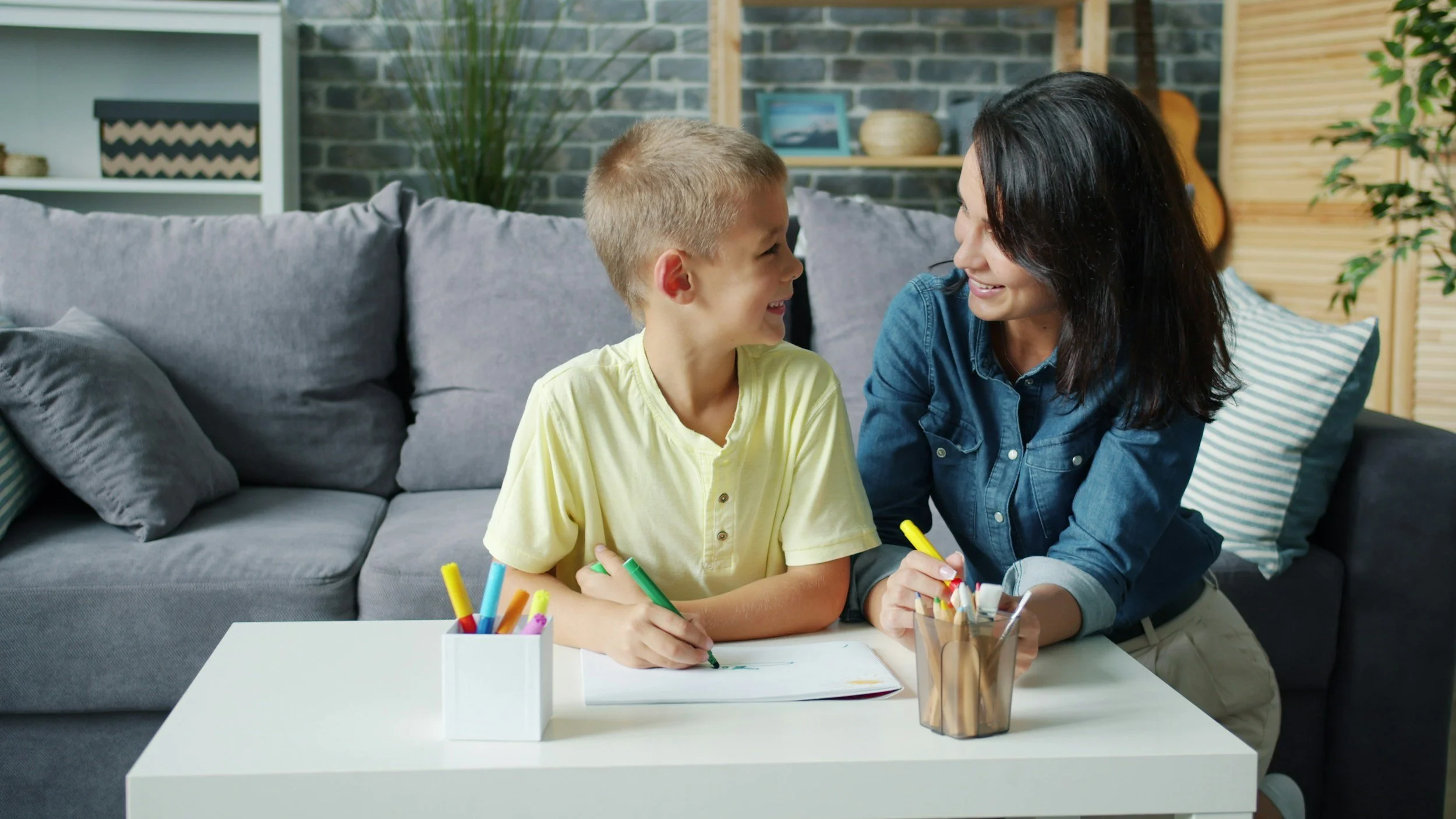
Growing up isn't always easy. Children experience big emotions, unexpected challenges, and changes they may not yet have the words or tools to understand. Sometimes those feelings show up as worry, sadness, frustration, anger, withdrawal, or behaviors that leave parents wondering how best to help.
As a parent or caregiver, it can be difficult to watch your child struggle, especially when you're unsure what's causing their distress or how to support them.
At Wildflower Counseling & Coaching, we provide a warm, welcoming, and supportive environment where children can feel safe expressing themselves, exploring their emotions, and developing healthy coping skills. We also recognize the important role parents and caregivers play in helping children grow and thrive.
A Safe Space to Just Be You
Who This Is For
This service is designed for children under 13 who are:
Experiencing anxiety, excessive worry, fears, or difficulty separating from parents or caregivers
Struggling with sadness, low self-esteem, loneliness, or changes in mood
Having difficulty managing big emotions, frustration, anger, or emotional outbursts
Experiencing behavioral challenges at home, school, or in social settings
Navigating friendship difficulties, bullying, peer pressure, or challenges fitting in
Adjusting to divorce, separation, blended families, or changes in family dynamics
Struggling with school-related stress, academic expectations, or social anxiety
Experiencing grief, loss, or other significant life changes
Having difficulty expressing their feelings or communicating their needs
Working through challenges with confidence, independence, or self-worth
Experiencing difficulty with emotional regulation, boundaries, or coping with disappointment
Needing additional support following stressful or overwhelming experiences
Every child deserves to feel heard, understood, and supported — even when they don't yet have the words to explain what they're feeling.
Areas of Focus
We provide support for:
Childhood anxiety & worry — helping children understand fears, manage anxious thoughts, and develop confidence in challenging situations
Emotional regulation — teaching age-appropriate strategies for recognizing, expressing, and managing big emotions
Behavioral challenges — exploring the emotions and unmet needs behind behaviors while developing healthier ways to respond
Self-esteem & confidence — helping children recognize their strengths, develop a positive self-image, and build resilience
Sadness & depression — supporting children experiencing low mood, withdrawal, loss of interest, or difficulty finding joy in everyday activities
Friendships & social skills — navigating peer relationships, conflict, bullying, social anxiety, and building healthy friendships
School-related challenges — addressing academic stress, classroom anxiety, social difficulties, and challenges adjusting to school expectations
Divorce & family transitions — helping children process changes in family structure, routines, relationships, and living arrangements
Grief & loss — providing age-appropriate support as children process the loss of loved ones, pets, friendships, or other meaningful changes
Anger & frustration — helping children understand triggers, express emotions appropriately, and develop healthier coping strategies
Parent-child relationships — strengthening communication, emotional connection, trust, and understanding between children and caregivers
Life changes & transitions — supporting children through moves, new schools, new siblings, family changes, and other adjustments
Coping skills & resilience — building practical tools children can use to manage stress, solve problems, and navigate everyday challenges
A Note to Parents
We know it can feel nerve-wracking to hand your child off to someone else, even for an hour. Here's what you should know: your child’s sessions are their space to be honest, which means what's discussed stays largely between us — with the exception of any safety concerns, which we'll always loop you in on. We'll keep you appropriately informed on progress without breaking your child’s trust, because that trust is what makes therapy actually work.
Our Therapeutic Approach
Children experience and express emotions differently than adults. They may not always be able to explain what's bothering them, and traditional talk therapy isn't always the most effective way to help them communicate.
That's why our approach is tailored to each child's age, developmental stage, personality, and individual needs. We create an environment where children can feel comfortable being themselves while learning important emotional and behavioral skills.
Depending on your child's needs and the clinician's training, sessions may incorporate a variety of evidence-based and developmentally appropriate approaches:
Play-Based Therapy Techniques — using play, games, and age-appropriate activities to help children express emotions, explore experiences, and develop coping skills
Cognitive Behavioral Therapy (CBT) — helping children recognize connections between thoughts, feelings, and behaviors while learning healthier ways to respond
Art & Creative Expression — incorporating drawing, storytelling, and creative activities to help children communicate feelings that may be difficult to put into words
Solution-Focused Therapy — helping children identify strengths, build confidence, and develop practical strategies for overcoming challenges
Person-Centered Therapy — providing a safe, supportive, and nonjudgmental environment where children feel accepted and understood
Mindfulness & Emotional Regulation — teaching age-appropriate breathing exercises, grounding techniques, and strategies for managing strong emotions
Strength-Based Therapy — helping children recognize their unique abilities, build resilience, and develop confidence
Trauma-Informed Care — approaching each child's experiences with sensitivity, patience, and an understanding of how stress and difficult events can influence emotions and behavior
Parent & Caregiver Collaboration — working with parents and caregivers to reinforce coping skills, improve communication, and support progress outside of counseling
Our goal isn't to change who your child is. It's to help them better understand their emotions, build confidence, strengthen relationships, and develop tools they can carry with them as they grow.
Sometimes children don't need someone to fix everything. They need someone to help them understand what they're feeling and show them how to work through it.
What to Expect
Starting counseling for your child can bring up a lot of questions. You may wonder what sessions will look like, whether your child will feel comfortable, or how you'll know if counseling is helping.
We're here to make the process as comfortable and supportive as possible for both you and your child.
The First Session
Your child's first appointment is an opportunity for us to learn about their experiences, strengths, challenges, and needs.
Depending on your child's age and individual circumstances, the therapist may spend time speaking with parents or caregivers, meeting with your child, or a combination of both.
We'll discuss what you've been noticing at home or school, any concerns you have, and what you'd like your child to gain from counseling.
Ongoing Sessions
Children's counseling often looks different from adult counseling. Sessions may include conversations, games, creative activities, emotional identification exercises, and age-appropriate coping skill development.
Younger children may learn and communicate through play, while older children may benefit from more structured conversations and practical strategies.
Our focus is on helping your child feel comfortable, supported, and empowered to express themselves.
Parent & Caregiver Involvement
Parents and caregivers are an important part of the counseling process.
Depending on your child's needs, we may provide parent check-ins, discuss strategies to support progress at home, or incorporate family participation into sessions.
We also respect your child's need for privacy and emotional safety. Your therapist will explain how confidentiality works for minors, including what information may be shared with parents or caregivers and when disclosure is necessary for safety or required by law.
Session Length & Frequency
Most sessions run 50–60 minutes, although session length may vary depending on your child's age, developmental needs, and treatment plan.
Many children begin with weekly sessions before transitioning to a schedule that supports their progress and goals.
You don't have to wait until your child is struggling significantly to seek support. Early guidance can help children develop emotional skills, confidence, and resilience that benefit them for years to come.
Getting Started Is Easier Than You Think
Private Pay: Varies by Clinician
Insurance: Aetna, UHC, Anthem BCBS, and Cigna
Telehealth: Not recommended for Children
In-Person: Sessions available at our Arnold, MO office